
Essential Foundation Repair Products For Structural Safety
Get the key products that help maintain your home's safety by effectively repairing and supporting the foundation.
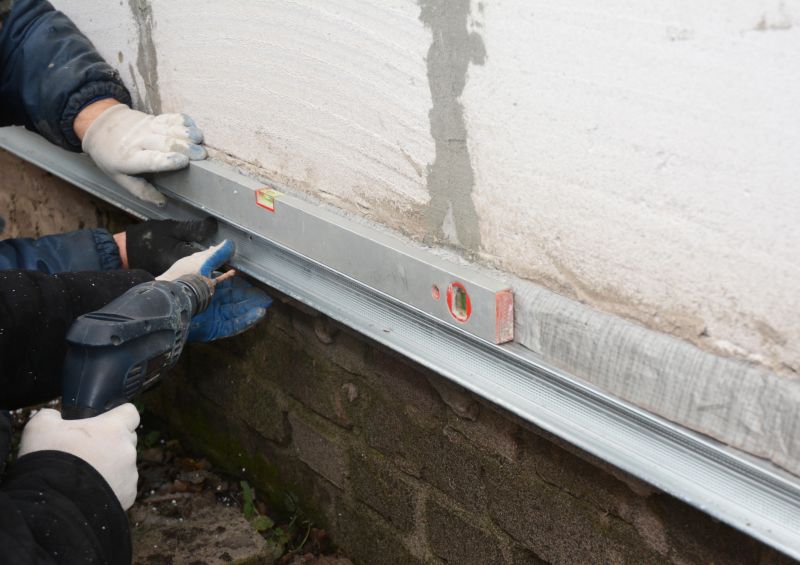 Foundation repairs are a critical aspect of maintaining the structural integrity of a building, especially in areas like Springdale, AR, where soil conditions and weather patterns can influence foundation stability. When considering foundation repair products, it is essential to understand the variety of options available to address different issues such as settling, cracking, or shifting. These products are designed to reinforce, stabilize, and restore the foundation, helping to prevent further damage and prolong the lifespan of the structure.
Top Overall Option
Polyurethane Foam Injection Systems
Polyurethane foam injection systems are versatile and minimally invasive solutions used to lift and stabilize uneven or sinking foundations. These systems expand upon application, filling voids and exerting upward pressure to restore stability. They are suitable for a variety of foundation issues, including cracks and settlement, and can be applied with precision to targeted areas, making them a popular choice among professionals and DIY enthusiasts alike.
Types of Products For Foundation Repairs
Underpinning Piers
Support systems placed beneath the foundation to provide additional stability and lift sinking structures.
Helical Piles
Deep foundation supports screwed into the ground to stabilize shifting or settling foundations.
Slab Jacking and Mudjacking
Methods involving the injection of a slurry beneath concrete slabs to lift and level them.
Polyurethane Foam Injection
Expanding foam used to fill voids and lift sunken foundations with minimal disruption.
Wall Anchors and Braces
Devices used to stabilize bowing or cracked basement walls by securing them to stable soil or structures.
Crack Repair Sealants
Specialized sealants used to fill and seal cracks in walls and slabs to prevent water intrusion.
Waterproofing Membranes
Barrier materials applied to foundation surfaces to prevent water infiltration and related damage.
Carbon Fiber Reinforcements
High-strength fibers used to reinforce and stabilize cracked or bowing walls.
Soil Stabilizers
Chemical treatments that improve soil compaction and reduce shifting beneath foundations.
Drainage Systems
Systems designed to redirect water away from the foundation to reduce soil erosion and moisture issues.
Foundation Bolts
Anchors used to secure sill plates and stabilize framing structures.
Grout and Mortar Patches
Materials used to fill and seal larger cracks and voids in foundations.
Vapor Barriers
Materials installed to control moisture vapor and reduce humidity-related foundation issues.
Soil Replacement Materials
High-quality fill materials used to replace or reinforce unstable soil around foundations.
Hydraulic Push Piers
Support systems driven into the ground to lift and stabilize sinking foundations.
Steel Push Piers
Heavy-duty support piers used for deep foundation stabilization in severe cases.
Vibration and Compacting Equipment
Tools used to improve soil density during foundation repair projects.
Popular Choices
A frequently chosen method for quick and minimally invasive foundation lifting and stabilization.
Commonly used to stabilize bowing basement walls with adjustable anchoring solutions.
Popular for providing foundational support in cases of significant settling or sinking.
Often selected for leveling concrete slabs like driveways and patios efficiently.
A trending choice for repairing cracked or bowing walls with high-strength materials.
Widely implemented to reduce water-related foundation problems by redirecting moisture.
Commonly applied to prevent water infiltration and protect foundation integrity.
Often used in severe cases to lift and stabilize heavily sinking foundations.
Popular for improving soil conditions around foundations to prevent future shifting.
Frequently used for sealing small to medium cracks in walls and slabs.
Commonly installed to control moisture and reduce foundation moisture issues.
Chosen for their strength and effectiveness in deep foundation stabilization.
Often installed to reinforce and secure framing to the foundation.
Regularly used to enhance foundation waterproofing and prevent water damage.
Tools used during soil preparation to ensure stable ground conditions.
Typically, foundation repair involves a combination of products tailored to specific needs. For instance, underpinning systems are used to support and lift sagging or uneven foundations, while wall anchors and braces help stabilize bowing or cracking walls. Sealants and waterproofing membranes are also vital to prevent water infiltration, which can exacerbate foundation problems. Selecting the right products requires careful assessment of the foundation's condition, soil type, and environmental factors.
In Springdale, AR, where soil conditions can vary significantly, consulting with a foundation specialist is advisable to determine the most suitable repair solutions. Proper installation and quality materials are crucial for long-term effectiveness. Many products are designed for DIY projects, but professional installation is often recommended for complex issues to ensure safety and durability. Regular inspections and maintenance can also help identify early signs of foundation movement, allowing timely intervention with appropriate products.
Investing in the correct foundation repair products can help mitigate further damage and maintain the safety of your property. Whether you are dealing with minor cracks or major settlement issues, understanding the range of available products and their applications is the first step toward effective repair and stabilization.
Key Buying Considerations
- Assess the specific foundation issue, such as cracking, settling, or bowing, to select appropriate products.
- Consider the soil type and moisture levels in your area to determine the best stabilization approach.
- Evaluate the size and extent of the damage to choose suitable repair methods and materials.
- Determine whether a DIY solution is feasible or if professional installation is recommended.
- Check the compatibility of repair products with existing foundation materials.
- Review product durability and longevity to ensure long-term stability.
- Consider the ease of application and whether specialized tools or skills are required.
- Examine warranty options and manufacturer support for the products.
- Factor in the environmental conditions, such as water exposure or soil movement, that could affect product performance.
- Budget for both initial repair costs and ongoing maintenance or inspections.
- Look for products that allow for future adjustments or repairs if needed.
- Ensure that the selected products comply with local building codes and regulations.
- Research user reviews and expert opinions to gauge product effectiveness and reliability.
- Consider the potential impact on property value and safety during and after repair.
- Plan for proper installation procedures to maximize the effectiveness of the repair products.